← Index / personal

Personalized grips

I'm building a system that turns one phone photo of a hand into a custom 3D printed bike or gym grip, because grips come in one or two sizes and hands don't.

CategoryPersonal project
Year2021 to now
RoleEverything: design, sizing rules, software, testing
ToolsPython · WebGL · Bambu A1 mini
StatusPrototype, in testing
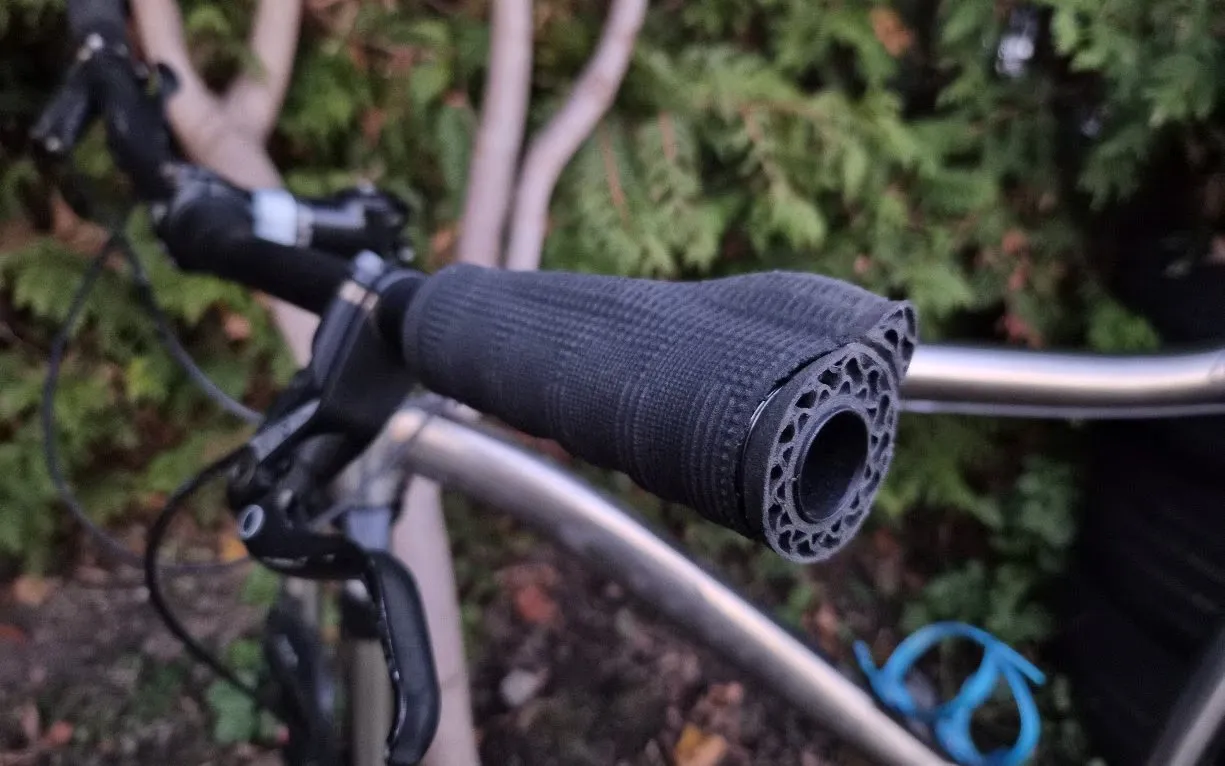
Black 3D printed grip with a lattice end, fitted to a bike handlebar
01 · Problem

In 2021 I hurt my wrist in the gym. During recovery I couldn't ride or play sports: a standard grip gave my wrist no support, and I didn't have the grip strength to hold on.

Grips come in one or two sizes with fixed shapes, made for an average hand. Nothing fit the way mine needed. My goal: a grip shaped to one hand from a single phone photo, printed on a consumer printer, with no CAD work for each order.
02 · How it got there
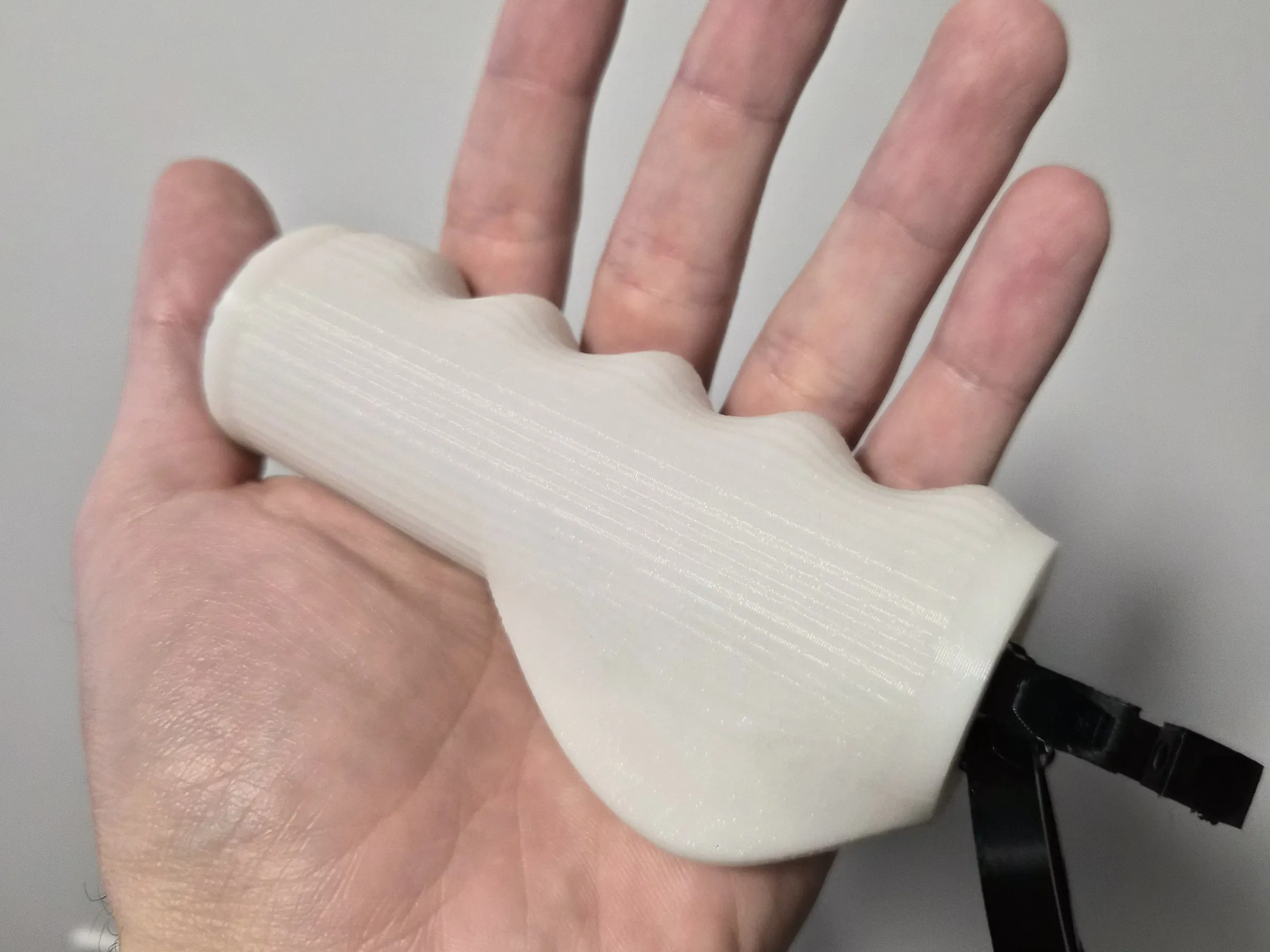
  1. White printed first prototype grip with finger grooves resting in an open hand
    01 · Start by handMy first grip was modelled by hand in CAD. It fit, but it took hours for one hand. The idea worked; the process didn't.
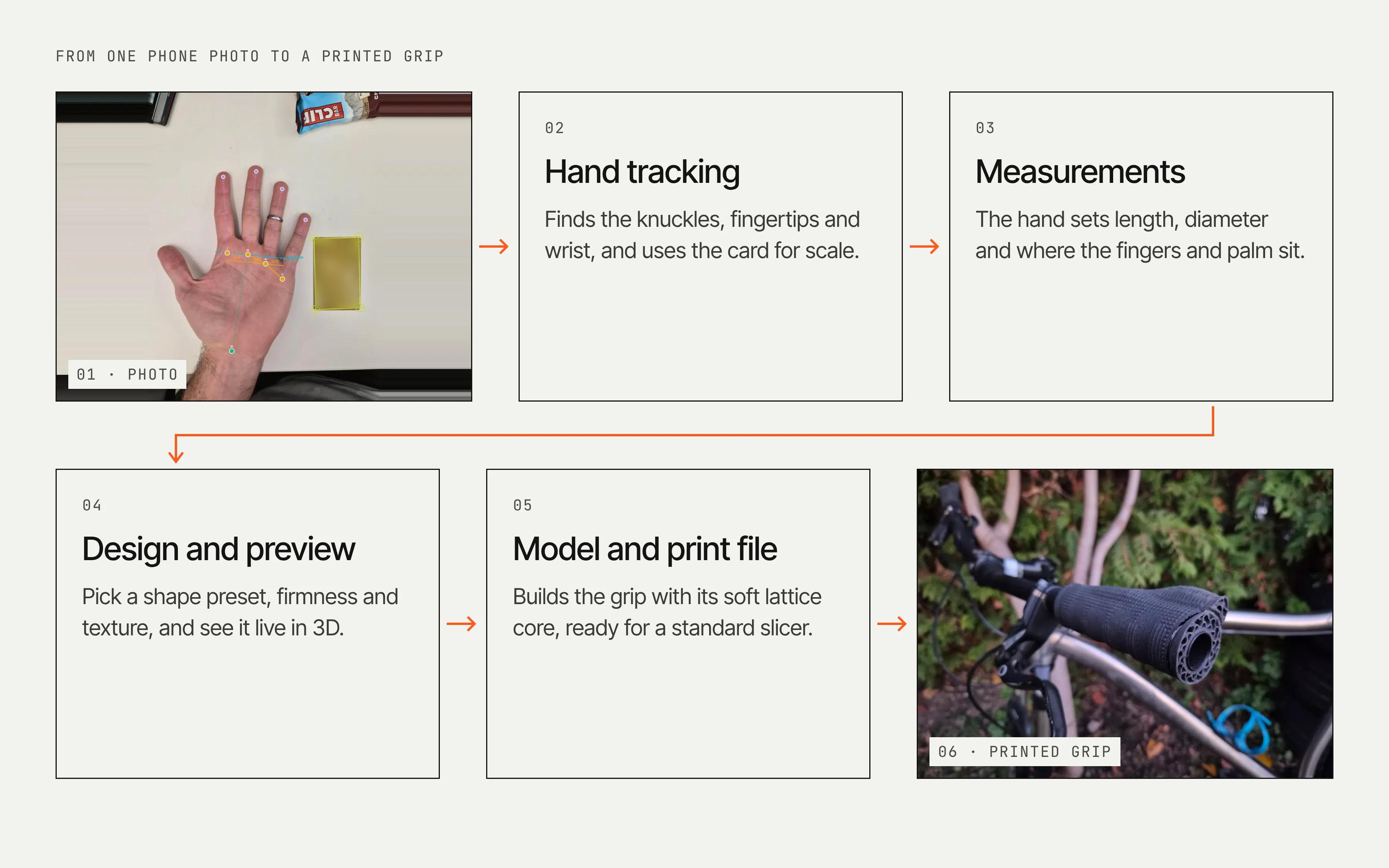
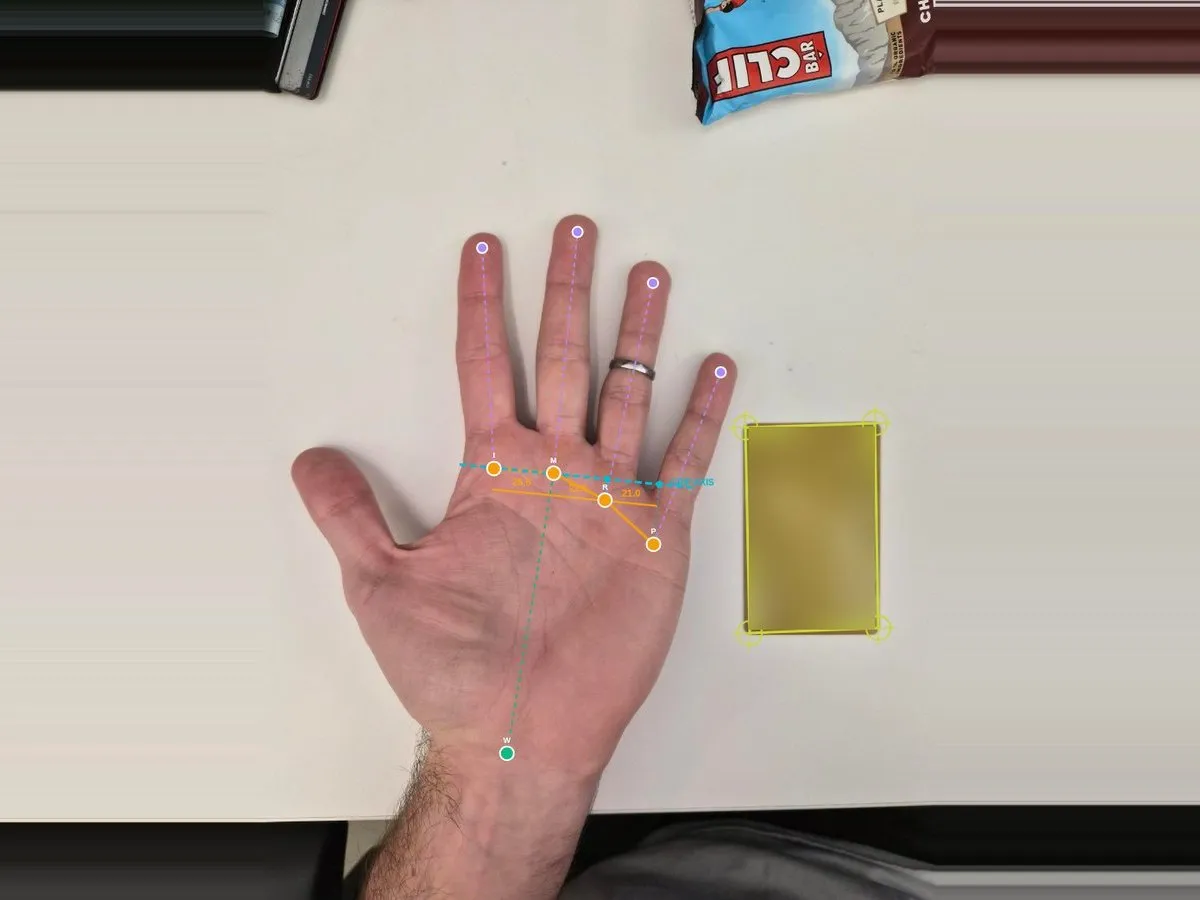
  2. Hand flat on a table beside a masked bank card, with detected knuckle, fingertip and wrist points overlaid
    02 · CaptureA phone photo of the hand next to a bank card for scale. Software finds the knuckles, fingertips and wrist and turns them into measurements.
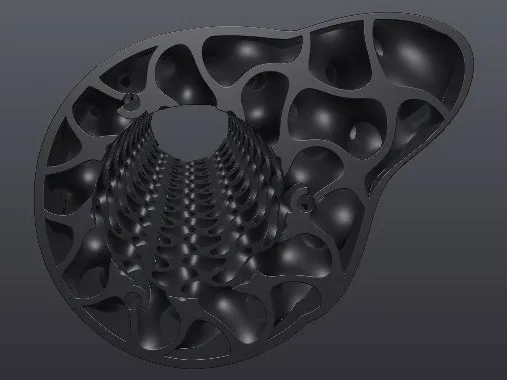
  3. End view into a grip showing the soft lattice core under a thin outer skin
    03 · DesignThe hand sets the size, a preset sets the shape, and you pick firmness and texture. I'm building the software myself, partly as a way to learn to code.
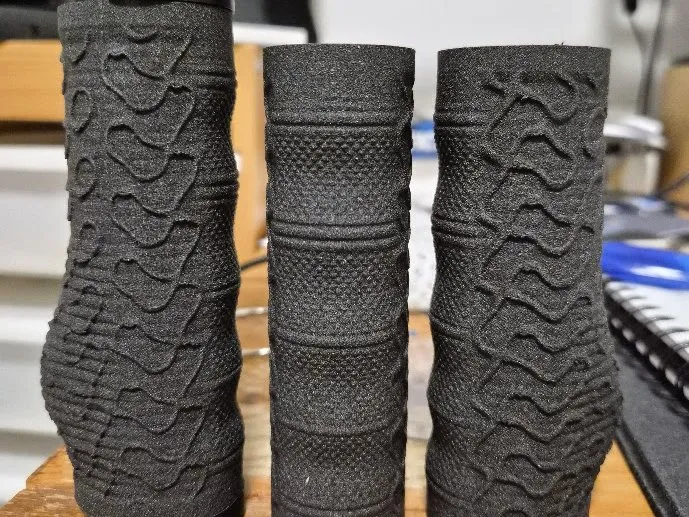
  4. Three black printed grip prototypes side by side with different shapes and surface textures
    04 · Print and testOver 30 printed rounds with testers on bike and gym, tuning firmness, texture and the palm rest.
03 · Key decisions
  1. Thicken the skin, not the latticeWhen the palm rest collapsed on a ride, the obvious fix was a denser lattice. Modelling showed a thicker skin did far more, so I changed the skin and kept the lattice soft everywhere else.
  2. Stay with FDM over SLS and SLAI looked at SLS and SLA for production. Cost, turnaround and the few materials that hold up outdoors and feel good on skin ruled them out, so I stayed with FDM.
04 · Results
30+Printed iterations.
5Shape presets, from slim to supportive.
4Custom texture zones on every grip.
100%Of testers felt the grip was made for them.

Testing in the gym and on the bike showed that five presets and four texture zones, combined with three firmness levels, give people enough room to get the feel they want for their lifts or their rides.

Software was new to me. This project paired it with 3D printing, a process I know inside out, and the software is what removed the need to model a custom grip in CAD for every hand. That was the big unlock, and it’s what made the project work.

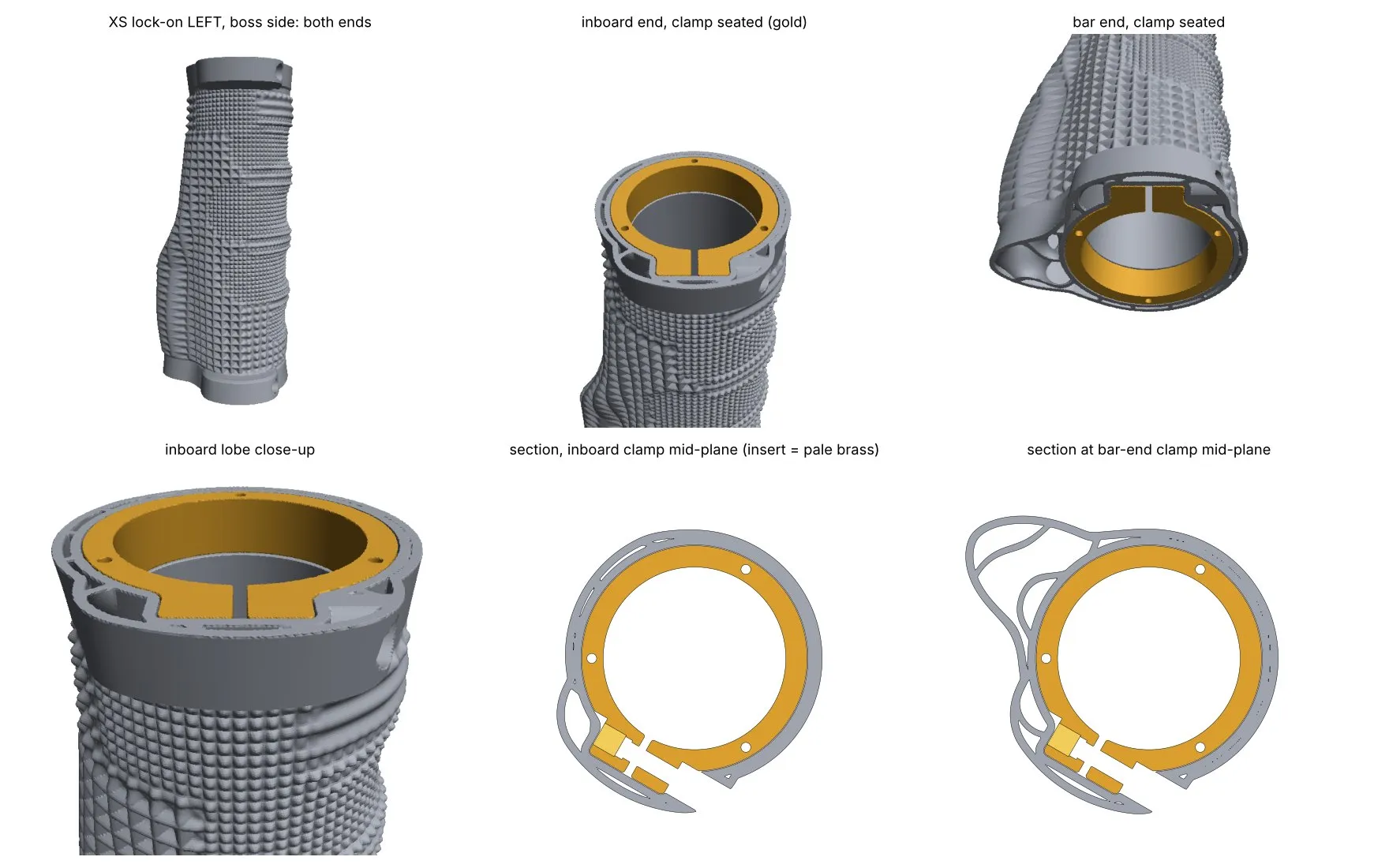
There are three versions: a slide-on bike grip, a lock-on with a built-in clamp, and a gym grip. Next is a structured beta and durability testing.

Next · workCascade Z helmet: flip-up mask